
Introduction
Over the past decade, single-cell technologies have revolutionized our understanding of biological systems by enabling researchers to move beyond bulk population averages and explore cellular heterogeneity at unprecedented resolution. Among these technologies, single-cell RNA sequencing (scRNA-seq) has emerged as a cornerstone method for analyzing gene expression profiles at the level of individual cells.
Unlike traditional transcriptomic approaches that average signals across millions of cells, scRNA-seq captures the diversity of cellular states, revealing rare cell populations, transient biological processes, and dynamic regulatory mechanisms. This paradigm shift has had profound implications in fields such as immunology, oncology, developmental biology, and drug discovery.

1. Principles of Single-Cell RNA Sequencing
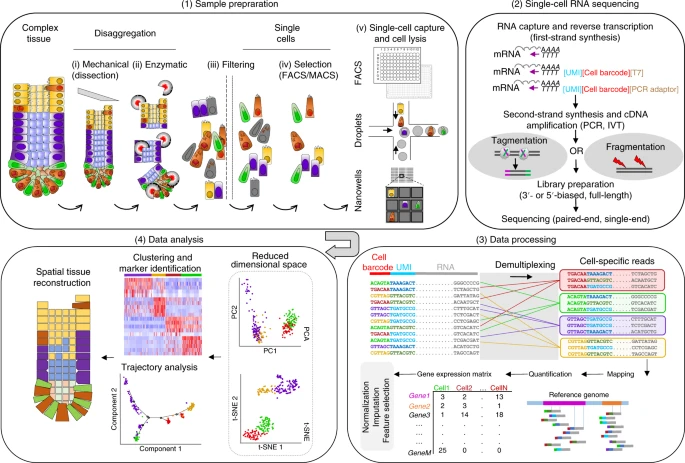
Single-cell RNA sequencing (scRNA-seq) is built on a straightforward yet powerful concept: analyzing gene expression at the level of individual cells rather than bulk populations. The process begins with the isolation of single cells, followed by the conversion of RNA into complementary DNA (cDNA), amplification of genetic material, and high-throughput sequencing. This approach enables precise quantification of gene expression, revealing cellular differences that are otherwise hidden in traditional methods.
By capturing transcriptional activity at single-cell resolution, scRNA-seq provides a deeper understanding of biological complexity, particularly in heterogeneous tissues and dynamic systems.
1.1 From Bulk RNA-seq to Single-Cell Resolution
Conventional RNA sequencing techniques measure average gene expression across large populations of cells. While effective for general profiling, this approach masks variability between individual cells and overlooks rare or transient cell states.
Single-cell RNA sequencing overcomes these limitations by offering a high-resolution view of gene expression, making it possible to:
-
Identify rare or previously uncharacterized cell populations
-
Detect cellular heterogeneity within complex tissues
-
Reconstruct differentiation pathways and lineage relationships
-
Capture dynamic biological processes such as immune responses or disease progression
This shift from bulk to single-cell analysis has redefined transcriptomics, allowing researchers to study biological systems with far greater precision and depth.
1.2 Key Workflow Steps
A typical scRNA-seq experiment follows a structured workflow designed to preserve RNA quality and ensure accurate data generation.
The process begins with cell isolation, where individual cells are separated using techniques such as microfluidics or cell sorting. Once isolated, RNA is captured and converted into cDNA through reverse transcription, forming a stable template for downstream analysis.
The cDNA is then amplified to generate sufficient material for sequencing. This is followed by library preparation, where sequencing adapters and molecular barcodes are added to enable identification of transcripts from each individual cell.
Next, high-throughput sequencing (NGS) is performed to generate large-scale gene expression data. Finally, the data undergoes bioinformatics analysis, including quality control, normalization, and clustering, to extract meaningful biological insights.
Each step in this workflow plays a critical role. Careful optimization is essential to maintain RNA integrity, reduce technical variability, and ensure reliable quantification of gene expression across thousands or even millions of individual cells.
2. Single-Cell Isolation Techniques
2.1 Microfluidic Droplet-Based Systems
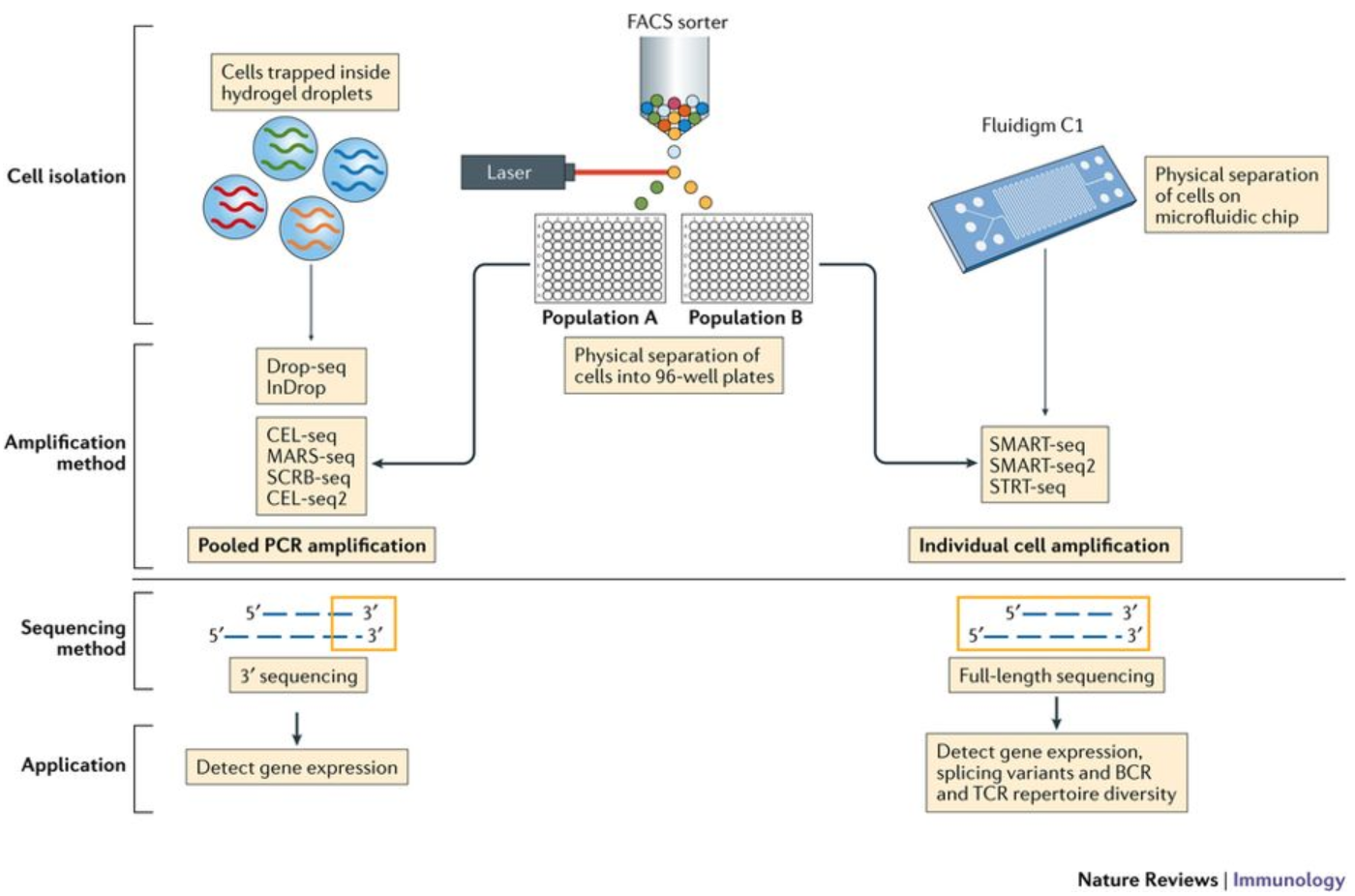
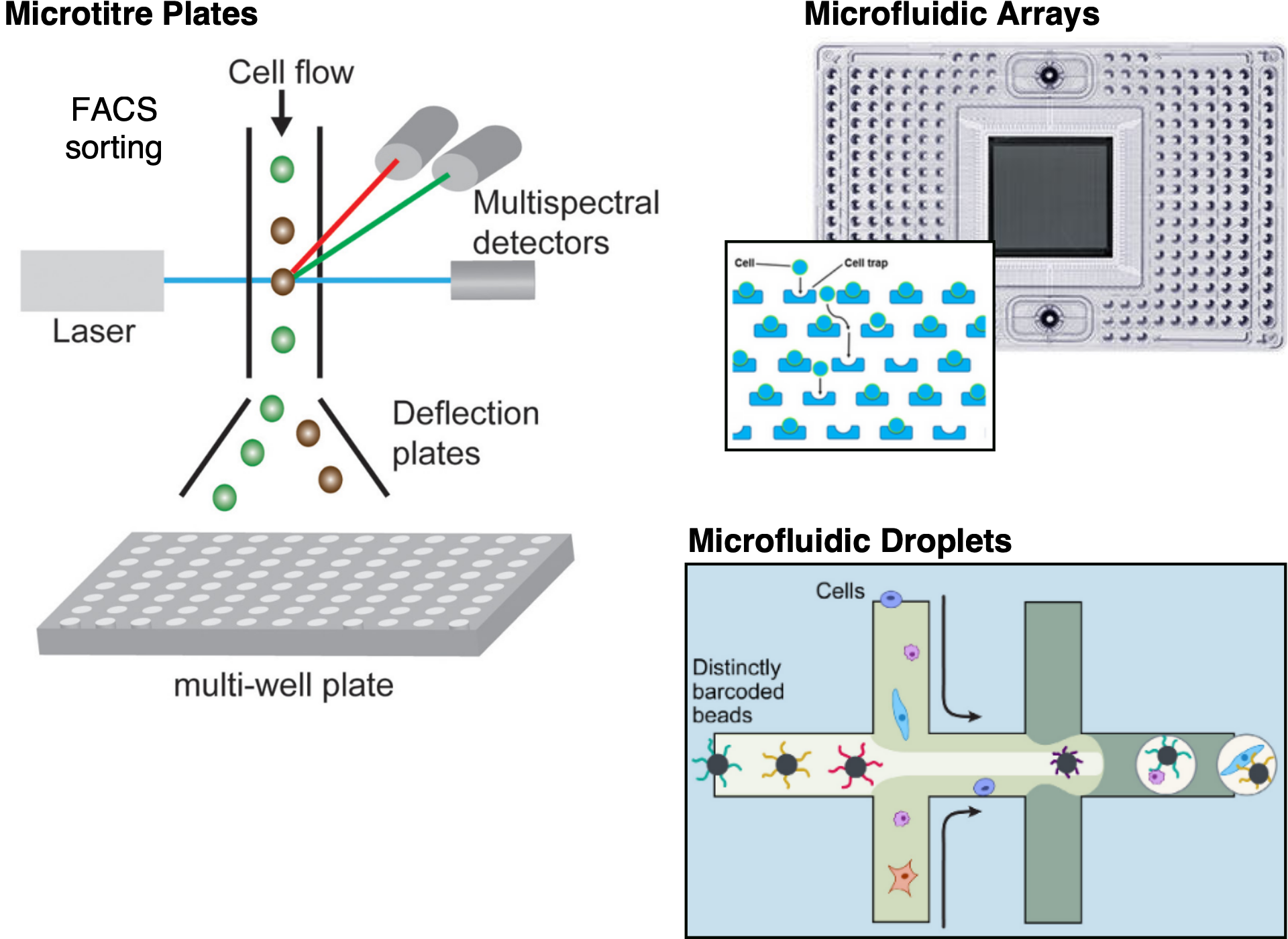
Technologies such as droplet microfluidics encapsulate individual cells in nanoliter droplets along with barcoded beads. Each bead carries unique molecular identifiers (UMIs), allowing precise tracking of transcripts from individual cells.

Advantages of Droplet-Based Single-Cell Platforms
Droplet-based single-cell technologies have become widely adopted due to their scalability and efficiency. These systems allow researchers to process extremely large numbers of cells in a single experiment, often ranging from thousands to millions. This high-throughput capability makes them particularly suitable for population-level studies, large screening projects, and exploratory analyses.
In addition to scalability, droplet-based methods are relatively cost-effective when applied to large datasets. By reducing the cost per cell, they enable comprehensive profiling of complex biological systems without significantly increasing experimental expenses.
2.2 Plate-Based Methods
Plate-based approaches rely on the isolation of individual cells into multi-well plates, typically using fluorescence-activated cell sorting (FACS). This strategy offers a high level of precision and control, making it well-suited for experiments that require careful selection of specific cell populations.
One of the main strengths of plate-based methods is their increased sensitivity. These approaches often allow for full-length transcript sequencing, providing more detailed information on gene structure, splice variants, and transcript isoforms. This level of resolution is particularly valuable in studies focused on gene regulation and functional genomics.
Additionally, plate-based systems offer greater flexibility in experimental design, enabling researchers to tailor protocols to specific biological questions.
However, this precision comes at the cost of throughput. Compared to droplet-based systems, plate-based methods process fewer cells per experiment, making them less suitable for large-scale population studies.
2.3 Emerging Technologies
- Nanowell-based platforms
- Combinatorial indexing methods
- Spatial transcriptomics integration
These innovations aim to improve scalability, resolution, and spatial context.
3. Library Preparation and Sequencing Strategies
Library preparation is a critical stage in single-cell RNA sequencing, directly influencing data quality, sensitivity, and reproducibility. It involves converting fragile RNA molecules into stable, sequence-ready libraries while preserving the identity of each individual cell.
3.1 Reverse Transcription and Barcoding
The first step in library preparation is the conversion of RNA into complementary DNA (cDNA) through reverse transcription. During this process, each transcript is labeled with cell-specific barcodes, allowing researchers to trace every read back to its original cell.
In parallel, unique molecular identifiers (UMIs) are incorporated into each molecule. These short sequences enable precise quantification by distinguishing original transcripts from amplification duplicates. As a result, barcoding combined with UMI tagging significantly improves accuracy and reduces bias introduced during downstream processing.
3.2 Amplification Methods
Because individual cells contain only small amounts of RNA, amplification is required to generate sufficient material for sequencing. Two main strategies are commonly used.
PCR-based amplification is widely adopted due to its speed and efficiency. It allows rapid expansion of cDNA libraries but may introduce biases in transcript representation, particularly for highly expressed genes.
In vitro transcription (IVT), on the other hand, relies on linear amplification. This approach tends to preserve relative transcript abundance more faithfully, improving quantitative accuracy, although it can be more time-consuming and technically demanding.
The choice between these methods depends on the experimental goals, particularly the balance between sensitivity, accuracy, and transcript coverage.
3.3 Sequencing Platforms
Once libraries are prepared, high-throughput sequencing is performed to generate gene expression data at scale. Modern sequencing platforms are capable of producing millions to billions of reads in a single run, making them well-suited for single-cell applications.
Several parameters must be carefully considered when designing an experiment. Read depth determines how many transcripts can be detected per cell, directly impacting sensitivity. Coverage influences the ability to capture full transcript diversity, while cost per sample remains a key factor in large-scale studies.
Optimizing these parameters ensures reliable data generation while maintaining efficiency and scalability.
4. Data Analysis Pipeline
Single-cell RNA sequencing produces highly complex datasets that require robust computational analysis to extract meaningful biological insights. A well-structured analysis pipeline is essential for transforming raw sequencing data into interpretable results.
4.1 Preprocessing
The first stage of analysis focuses on data cleaning and normalization. This includes quality control, where low-quality or damaged cells are removed to avoid misleading results. Metrics such as gene count, mitochondrial RNA content, and sequencing depth are commonly used for filtering.
Following this, normalization is applied to account for technical variability between cells, ensuring that gene expression levels can be compared accurately across the dataset. In parallel, batch effect correction is performed to eliminate variations introduced by differences in experimental conditions, reagents, or sequencing runs.
Together, these steps ensure that downstream analyses are based on reliable and biologically relevant data.
4.2 Dimensionality Reduction
Given the high dimensionality of single-cell datasets, dimensionality reduction techniques are essential for simplifying the data while preserving meaningful biological variation.
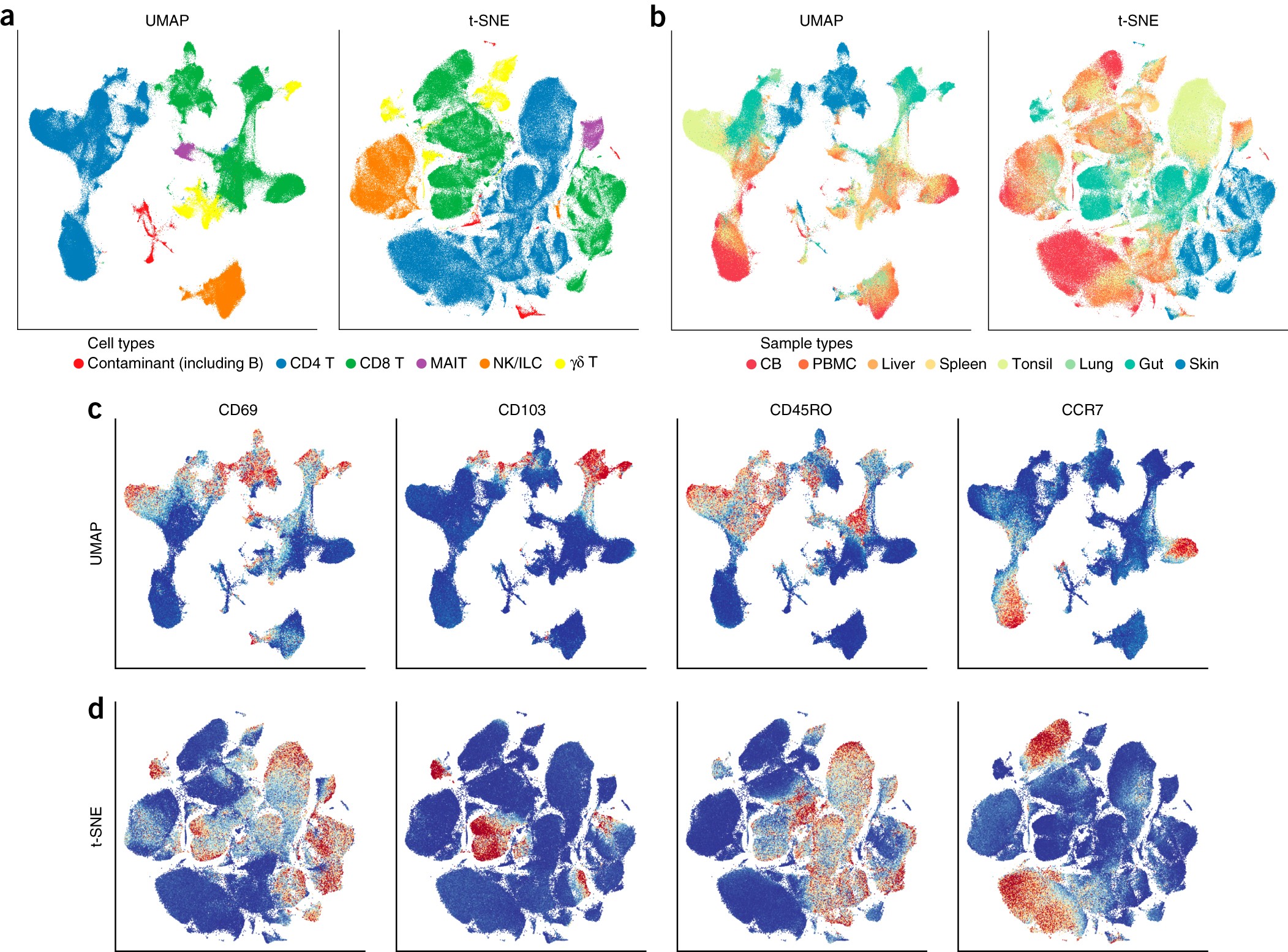
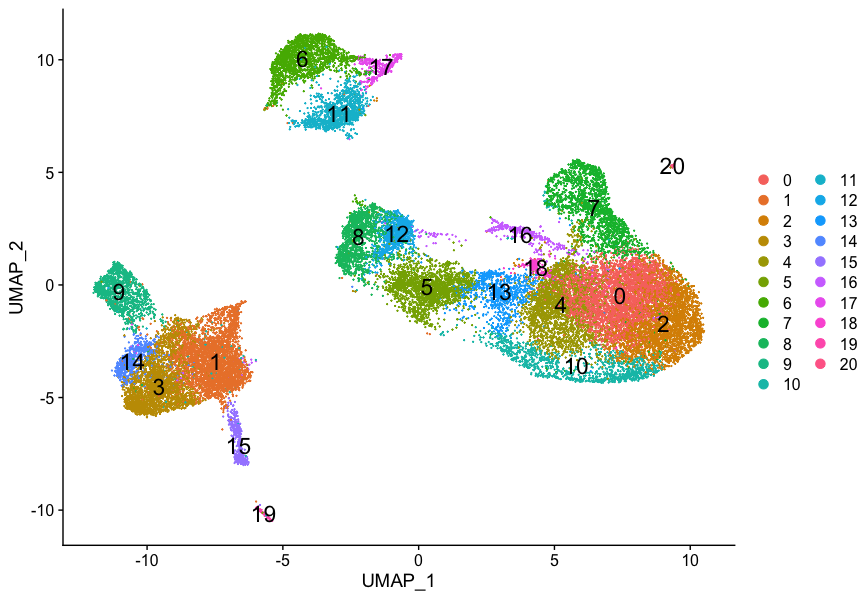
Methods such as Principal Component Analysis (PCA) are typically used as a first step to reduce noise and identify major sources of variability. More advanced techniques like t-SNE and UMAP are then applied to visualize cell populations in two or three dimensions.
These approaches make it possible to identify clusters of similar cells, detect subpopulations, and explore complex biological structures in an intuitive and interpretable way.
4.3 Clustering and Cell Type Identification
Cells are grouped based on gene expression profiles to identify:
- Known cell types
- Novel or rare populations
4.4 Differential Expression Analysis
Identifies genes that are upregulated or downregulated across clusters, revealing functional differences between cell types.
4.5 Trajectory and Pseudotime Analysis
Reconstructs dynamic biological processes such as:
- Cell differentiation
- Disease progression
- Immune responses

5. Applications in Biotechnology and Biomedical Research
5.1 Cancer Research
Single-cell RNA sequencing has become a powerful tool in cancer research, offering an unprecedented view of tumor complexity at the cellular level. Unlike conventional approaches, which average signals across entire tumor masses, scRNA-seq reveals the full extent of tumor heterogeneity, allowing researchers to distinguish between different cellular subpopulations within the same tumor.
This high-resolution analysis makes it possible to identify cancer stem cells, which are often responsible for tumor initiation and relapse, as well as therapy-resistant subpopulations that can survive treatment and drive disease progression. In addition, scRNA-seq provides critical insights into the tumor microenvironment, including interactions between cancer cells, immune cells, and stromal components.
By uncovering these complex cellular dynamics, single-cell approaches contribute directly to the development of more precise and effective therapeutic strategies. This includes improved target identification, better patient stratification, and the design of treatments that address not only the dominant tumor population but also rare and resistant cell types.

5.2 Immunology
Single-cell RNA sequencing has significantly advanced immunology by enabling precise profiling of immune cell populations at an unprecedented level of resolution. Rather than treating the immune system as a uniform network, scRNA-seq reveals its true complexity by distinguishing diverse cell subsets, activation states, and functional phenotypes within the same sample.
This approach provides deeper insight into how immune cells respond to infections, vaccines, and environmental stimuli. It also plays a critical role in understanding the mechanisms underlying inflammation and autoimmune diseases, where subtle changes in specific immune cell populations can drive pathological responses. By capturing these dynamic processes at the single-cell level, researchers can better characterize immune dysregulation and identify potential therapeutic targets.
5.3medicine Discovery and Development
In the context of drug discovery, single-cell RNA sequencing offers a powerful framework for identifying and validating new therapeutic targets. By analyzing gene expression patterns across individual cells, researchers can pinpoint molecular pathways that are specifically altered in disease states.
Beyond target identification, scRNA-seq enables detailed evaluation of medicine responses at the single-cell level, revealing how different cell populations react to treatment. This is particularly valuable for detecting resistant or non-responsive cells that may compromise therapeutic efficacy. Additionally, single-cell approaches contribute to toxicity profiling, allowing early identification of adverse effects in specific cell types and improving the safety profile of candidate drugs during preclinical development.
5.4 Developmental Biology
Single-cell transcriptomics has transformed the study of developmental biology by providing a dynamic view of how cells evolve over time. It enables researchers to map differentiation pathways with high precision, tracing how progenitor cells give rise to specialized cell types.
This technology is particularly valuable for studying embryonic development, where tightly regulated gene expression programs drive complex biological processes. By capturing these transitions at single-cell resolution, scRNA-seq helps identify lineage-specific transcriptional signatures and regulatory networks that govern cell fate decisions. These insights are essential for understanding normal development as well as developmental disorders.
5.5 Precision Medicine
Single-cell RNA sequencing is a key enabler of precision medicine, as it allows for highly detailed, patient-specific molecular profiling. By analyzing the unique cellular composition of an individual’s tissue or disease state, clinicians and researchers can gain a more accurate understanding of disease mechanisms.
This level of resolution supports the development of personalized treatment strategies, tailored to the specific cellular and molecular characteristics of each patient. It also facilitates biomarker discovery, enabling the identification of predictive and diagnostic markers with higher specificity. Furthermore, scRNA-seq contributes to disease stratification, helping classify patients into more precise subgroups and improving clinical decision-making.
6. Challenges and Limitations
Despite its transformative potential, single-cell RNA sequencing is not without limitations. One of the main challenges lies in technical noise, particularly dropout events where low-abundance transcripts may not be detected, leading to incomplete gene expression profiles. These issues can complicate data interpretation, especially when analyzing rare cell populations.
In addition, scRNA-seq generates extremely large and complex datasets, requiring advanced computational tools and expertise. The high computational demand associated with data processing, storage, and analysis remains a significant barrier for many laboratories.
Cost is another important consideration. Although prices have decreased over time, sequencing expenses and data storage requirements can still be substantial, particularly for large-scale studies involving thousands or millions of cells.
Finally, batch effects and experimental variability can introduce unwanted differences between datasets, potentially masking true biological signals. Careful experimental design and robust normalization methods are essential to minimize these effects.
Ongoing improvements in experimental protocols, sequencing technologies, and bioinformatics pipelines continue to address these challenges, progressively enhancing the accuracy, scalability, and accessibility of single-cell approaches.
7. Emerging Trends and Future Perspectives
As single-cell technologies continue to evolve, new approaches are expanding their capabilities and pushing the boundaries of biological research. These innovations are driving a more integrated and comprehensive understanding of cellular systems.
7.1 Multi-Omics Integration
One of the most promising directions in the field is the integration of single-cell RNA sequencing with other omics technologies. By combining transcriptomic data with proteomics, epigenomics, and metabolomics, researchers can obtain a multidimensional view of cellular function.
This integrated approach allows for a more complete characterization of cellular states, linking gene expression patterns to protein activity, chromatin structure, and metabolic processes. As a result, multi-omics strategies provide deeper insights into regulatory mechanisms and improve the identification of complex biological signatures.
7.2 Spatial Transcriptomics
While scRNA-seq provides detailed information about gene expression, it traditionally lacks spatial context. Spatial transcriptomics addresses this limitation by preserving the physical location of cells within tissues while measuring their gene expression profiles.
This added dimension enables researchers to understand not only what genes are expressed, but also where specific cells are located and how they interact within their native environment. Such spatial information is essential for studying tissue organization, tumor architecture, and cell-to-cell communication in complex biological systems.

7.3 Artificial Intelligence and Machine Learning
The integration of artificial intelligence (AI) and machine learning into single-cell RNA sequencing workflows is rapidly transforming data analysis and interpretation. Given the complexity and scale of scRNA-seq datasets, traditional analytical approaches are often insufficient to fully capture underlying biological patterns.
AI-driven models enable more accurate cell classification, allowing the identification of subtle cellular subtypes that may not be detectable through conventional clustering methods. In addition, machine learning algorithms enhance pattern recognition, uncovering hidden relationships within high-dimensional gene expression data. These approaches are also increasingly used for predictive modeling, supporting the identification of disease trajectories, treatment responses, and potential therapeutic targets.
As computational methods continue to evolve, the integration of AI is expected to significantly improve the speed, accuracy, and depth of single-cell data analysis.
7.4 Clinical Translation
Single-cell RNA sequencing is progressively moving from research laboratories into clinical applications, where it offers new opportunities for improving patient care. Its ability to resolve cellular heterogeneity provides valuable insights for diagnostic applications, particularly in complex diseases such as cancer and immune disorders.
In addition, scRNA-seq is increasingly used for treatment monitoring, enabling clinicians to track cellular responses to therapy at high resolution and detect early signs of resistance or relapse. The technology also plays a key role in biomarker validation, supporting the development of more precise and reliable diagnostic and prognostic indicators.
As workflows become more standardized and cost-effective, the clinical adoption of single-cell technologies is expected to expand significantly in the coming years.
8. Industrial and Biotech Applications
Beyond academic research and clinical settings, single-cell RNA sequencing has become an important tool in industrial biotechnology. In the biopharmaceutical sector, it is used to support drug development pipelines, providing detailed insights into cellular responses and mechanisms of action.
In the field of advanced therapies, scRNA-seq contributes to cell therapy optimization, helping refine cell selection, improve manufacturing processes, and ensure product consistency. It also plays a role in vaccine research, where it enables detailed profiling of immune responses at the cellular level.
Furthermore, single-cell analysis is increasingly applied in quality control for cell-based manufacturing, ensuring reproducibility, stability, and compliance with regulatory standards. These applications highlight the growing importance of scRNA-seq as a tool for both innovation and industrial scalability.
Conclusion
Single-cell RNA sequencing has profoundly reshaped modern biology by enabling gene expression analysis at an unprecedented level of resolution. By moving beyond population averages, it provides a detailed view of cellular heterogeneity, uncovering complex biological processes that were previously inaccessible.
Today, its applications extend across a wide spectrum, from fundamental research to clinical diagnostics and industrial biotechnology. As technologies continue to advance particularly through the integration of multi-omics approaches, spatial transcriptomics, and artificial intelligence scRNA-seq is expected to play an increasingly central role in understanding complex biological systems.
Ultimately, this technology is not only enhancing our knowledge of cellular function but also driving the development of next-generation therapeutic strategies, contributing to a more precise and personalized approach to medicine.